About me
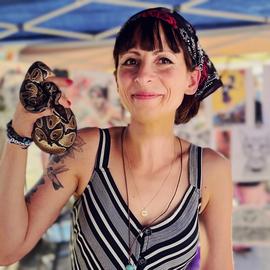
I am a research scholar in Sam Brown Lab at the Georgia Institute of Technology. Previously, I worked with Jay Lennon at Indiana University Bloomington, where I spent several years developing my research interests.
My work centers on eco-evolutionary dynamics—how communities persist, adapt, and maintain coexistence across space and time. I am particularly drawn to microbes (anything smaller than 1 mm): they offer a unique window into evolution unfolding in real time. By combining microbial systems with eco-evolutionary theory, I aim to understand—and ultimately predict—how environmental change shapes genes, populations, communities, and ecosystems.
I am currently supported by a Cystic Fibrosis Foundation Postdoctoral Fellowship, where I study the evolution of antibiotic resistance in Pseudomonas aeruginosa, a common pathogen in individuals with cystic fibrosis. More broadly, I am interested in how resistance evolution influences microbial community ecology, and how these insights can inform more effective treatment strategies.
Outside the lab, I enjoy drawing, illustrating, and doodling, often inspired by nature. I also spend time exploring philosophy of science, macro photography, crafting, and playing music.
Download my CV.
Research
Community dynamics and stability
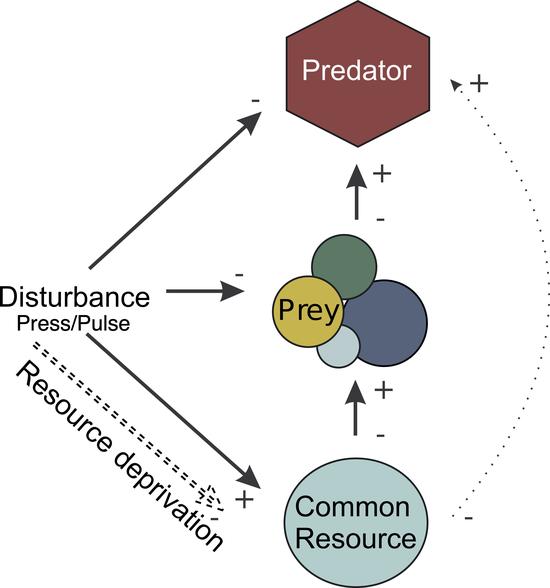
During my PhD and postdoc life at UFZ and iDiv, my research has mainly focused on the importance of species interactions, especially predator-prey interactions, and how the nature of perturbations shapes them.
Eco-evolutionary dynamics and trait evolution
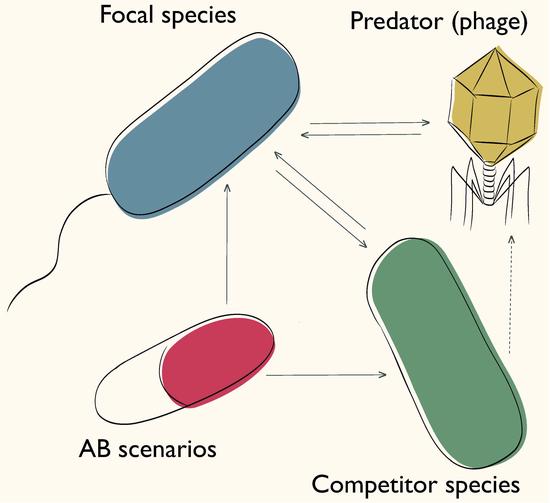
Abiotic and biotic interactions may constrain the evolution of traits. To test the effect of ecology on evolution, I have been observing host bacterial species co-evolving with their predator bacteriophage, competitors, and different selection pressures over generations.
Life, energy limitation and dormancy
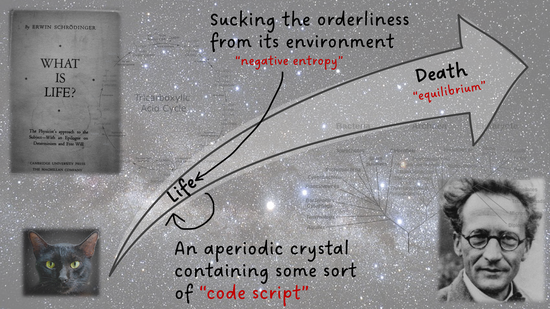
Many organisms survive long-term environmental stress and energy limitation by reducing metabolic activity in a dormant state. Microbial dormancy, for instance, by forming resistant spores, stores genetic, phenotypic, and taxonomic diversity, contributing to longevity and long-term stability of individuals and populations.
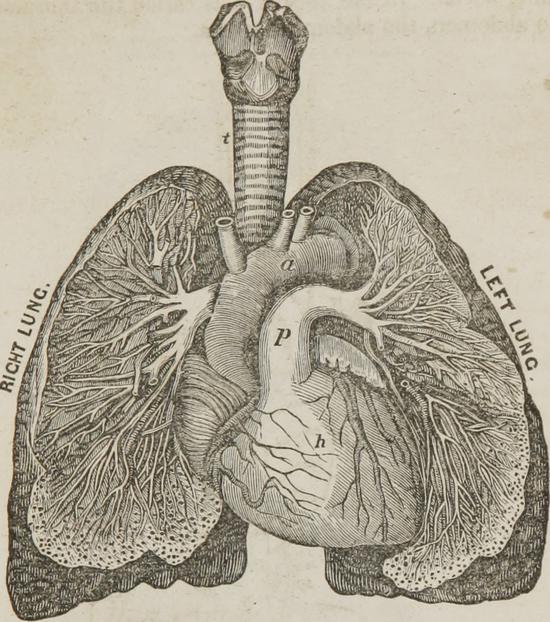
Microbial dynamics, infections, and evolutionary medicine
Evolutionary medicine is an emerging discipline that employs eco-evolutionary theories alongside analyses of historical and contemporary patient data. Tracing the evolutionary origins of human health and diseases gives us profound insights into the genetic and physiological mechanisms underlying conditions.
Recent Publications
Science outreach
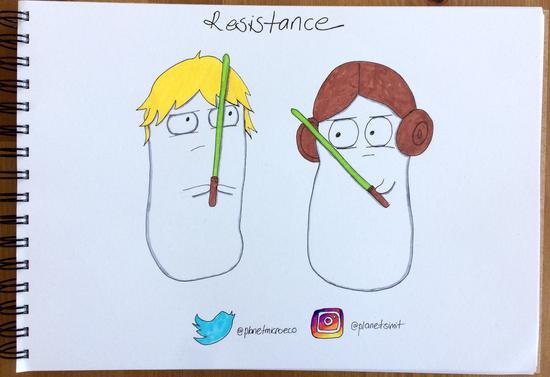
Fun science
Sometimes, it is difficult to tell about your science to scientists. I gave a fun, ignite talk on antibiotic resistance at iDiv Conference to a broad scientific audience Download my fun story .
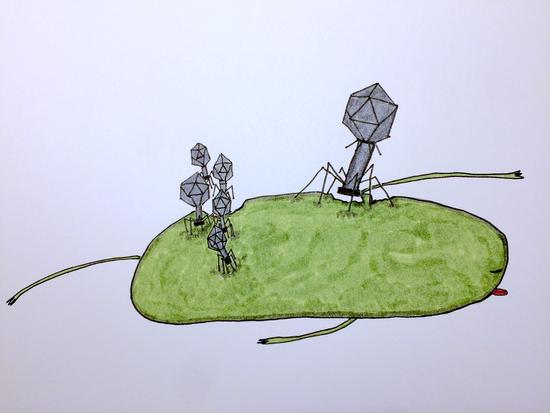
Science for public
In past years, I participated in Science Fest at IU. It is a public event encouraging the Bloomington community to come on campus and learn about research. Lennon Lab hosted a “Bacterial Viruses” table where we explained a bacteriophage infection using illustrations, 3D models, and lab samples.
Science Olympiad
I have mentored high school students for Science Olympiad for the Experimental Design section at Bloomington South High School. Founded in 1984, the Science Olympiad is the premier team STEM competition in the nation, providing standards-based challenges to 6000 teams at 425 tournaments in all 50 states.
Illustrations
Here are some of my nature inspired illustrations. Follow me in social media for more.
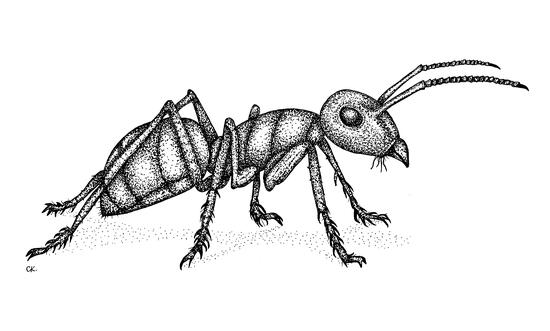
Ant
An ant that I drew for a great mentor and friend, Adam.
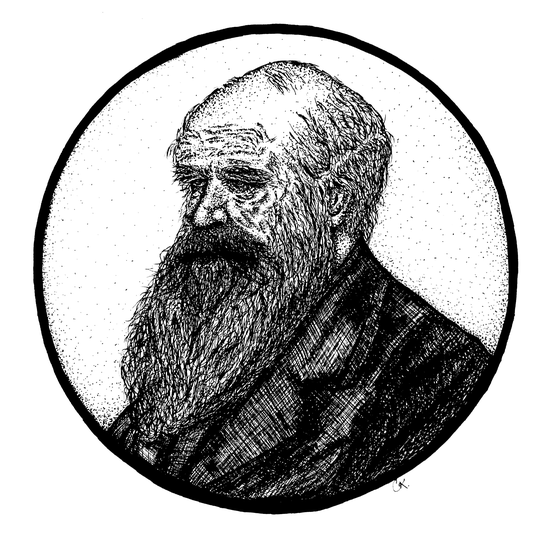
Charles Darwin
“Nothing is easier than to admit in words the truth of the universal struggle for life, or more difficult - at least I have found it so - than constantly to bear this conclusion in mind” -On Natural Selection.
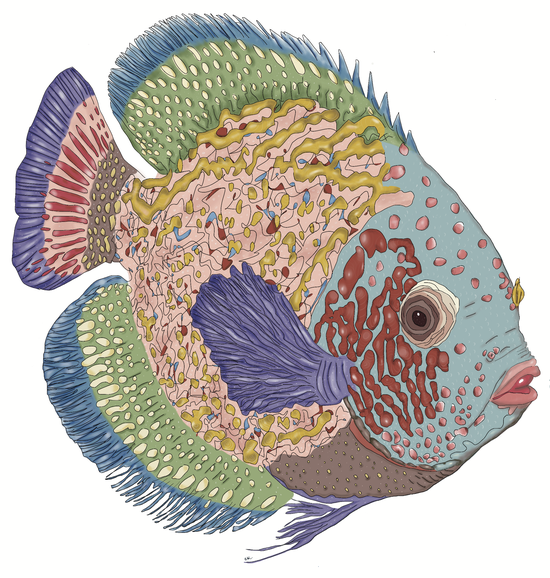
Colors and patterns
Fish colors and patterns are evolutionarily derived for many reasons, such as camouflage, mating, and defense. There is so much art inspiration!
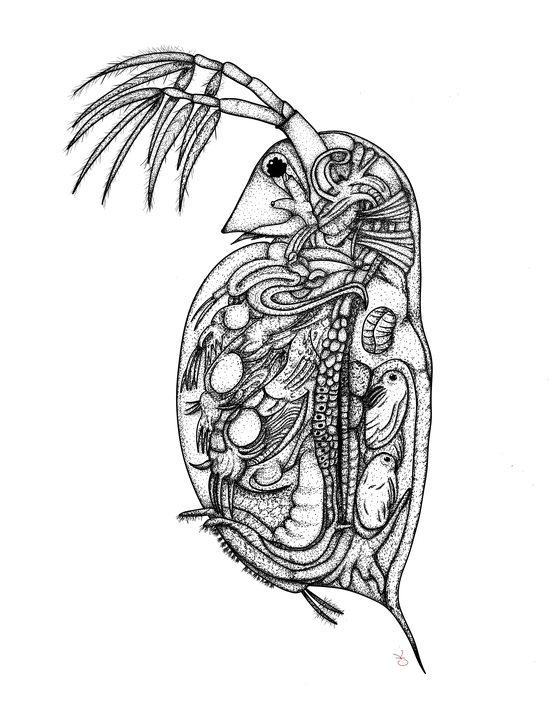
Daphnia
For Turner, who is in love with his study system and math.
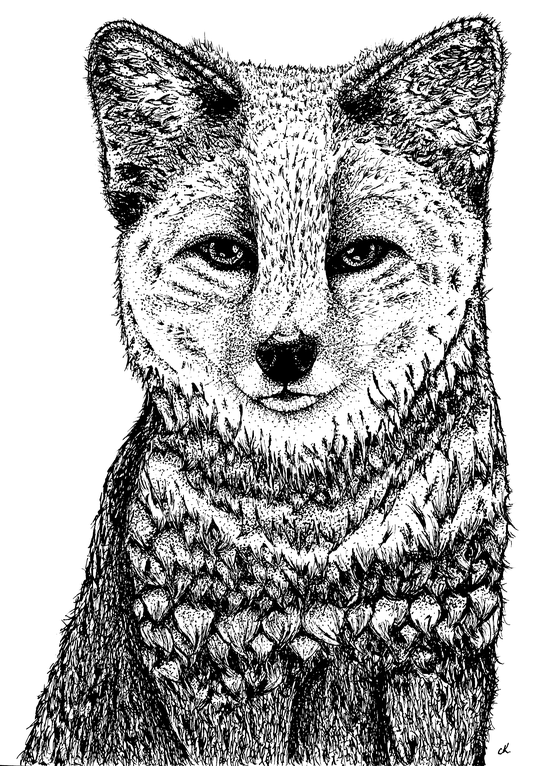
Darwin’s fox
You can adopt symbolic species to support WWF’s global efforts to protect wild animals and their habitats. Darwin’s fox’s conservation status is endangered, and the most important conservation concerns are forest fragmentation and threats posed by feral dogs, either by spreading diseases or directly attacking them.
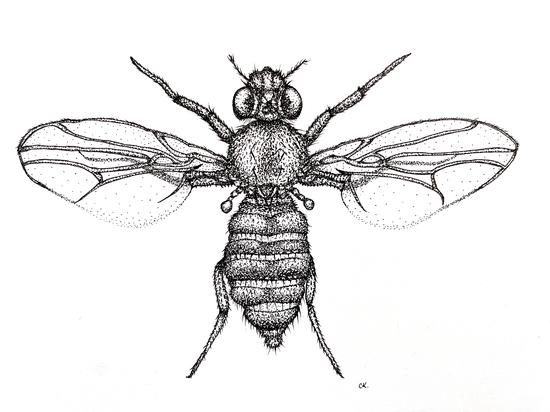
Drosophila
I drew this for a collage classmate’s lab.
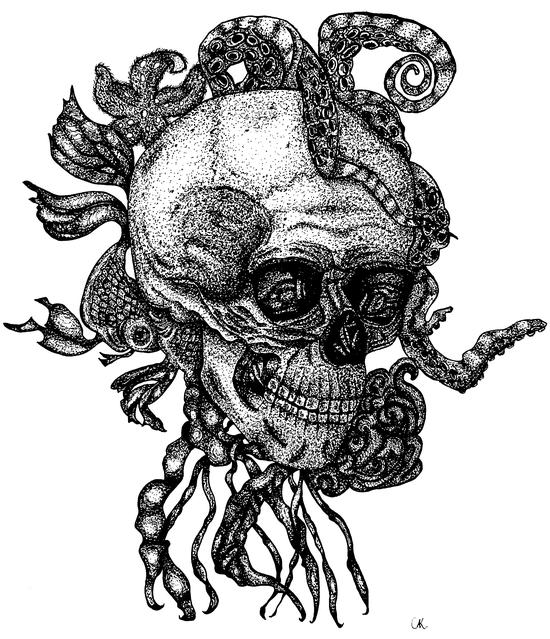
End
Almost all the world’s oceans are damaged by human impact. Only 13% left untouched.
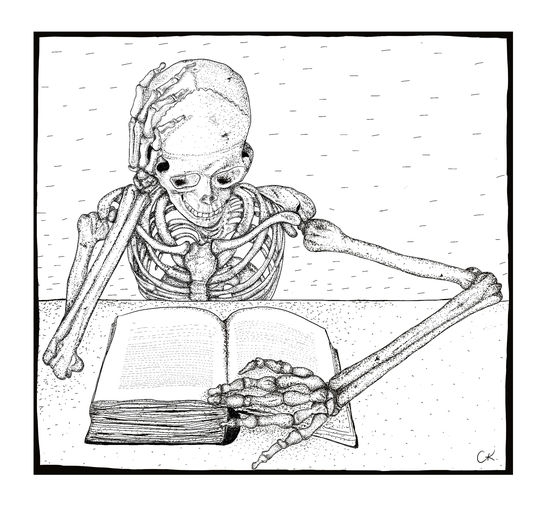
Endless learning
There are too many things that I don’t know…
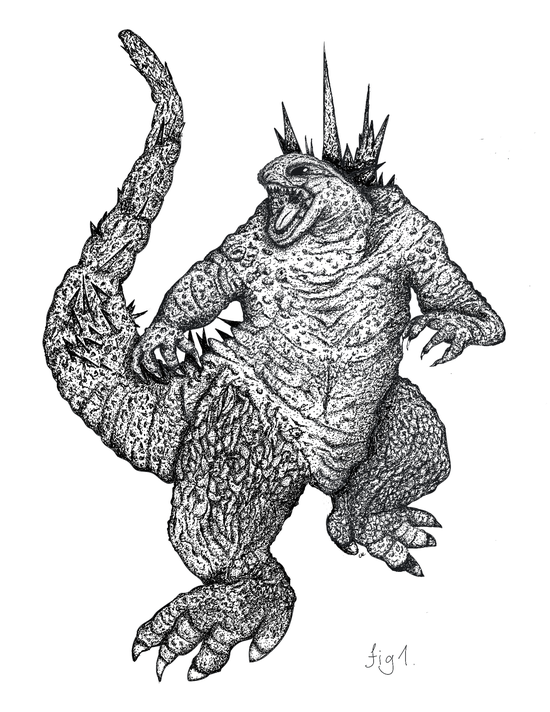
Exobiology
How would Godzilla’s biology work? Or would it work in this world?
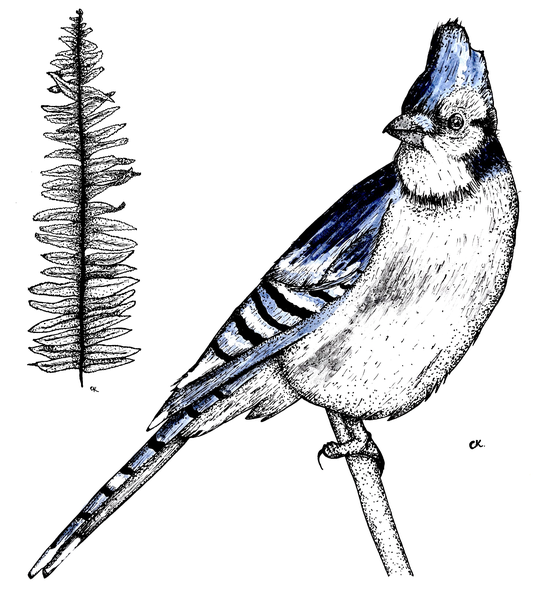
Fern leaf and Blue Jay
Two inspiring living beings that I see in Bloomington often. Fern symbolizes good luck and new beginnings in some cultures.
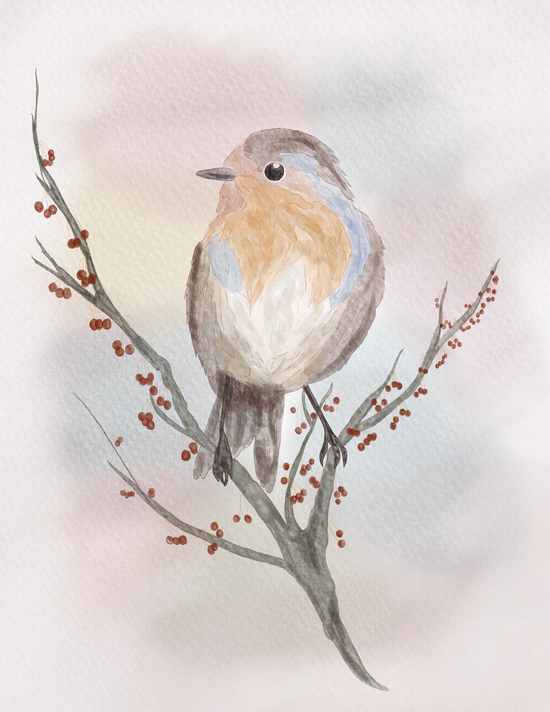
Fly
“I would like to paint the way a bird sings.” — Claude Monet
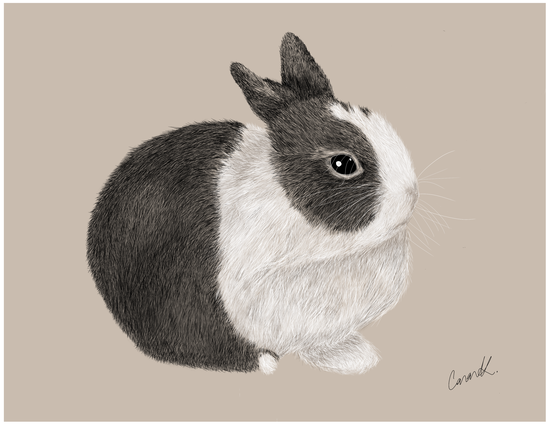
Friend
I drew this for a sister, Emily, and her bunny friend.
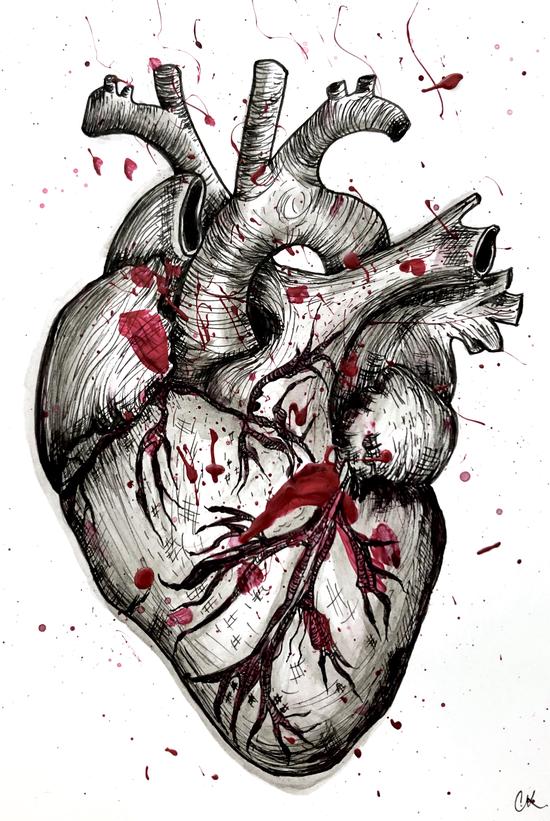
Heart
Rejections hurt because the pain of heartbreak activates the same part of the brain as physical pain.
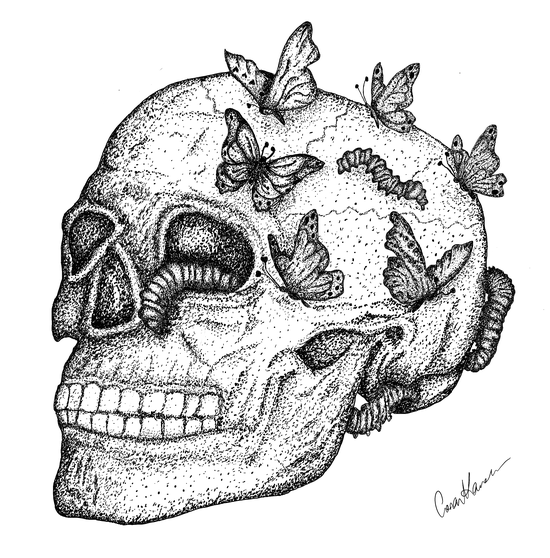
Life and death
Life and death that I drew for a dear friend, Felipe, working on the origin of life.
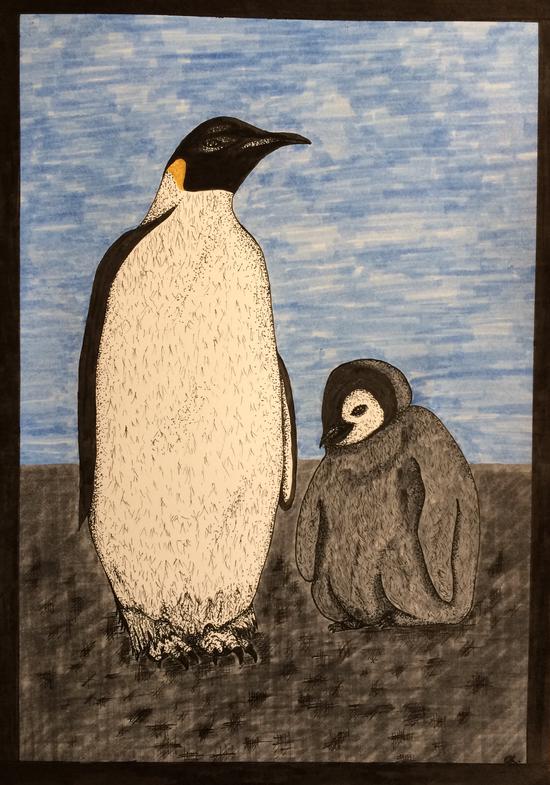
Mother
Mothers are mothers across the tree of life.
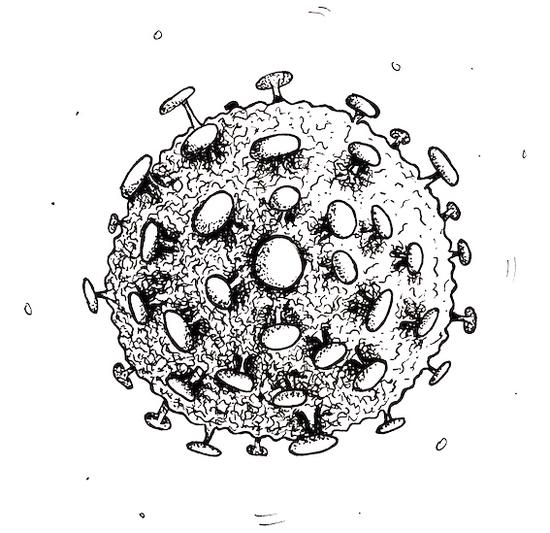
New normal
Stop and think about how the world has changed since the pandemic.
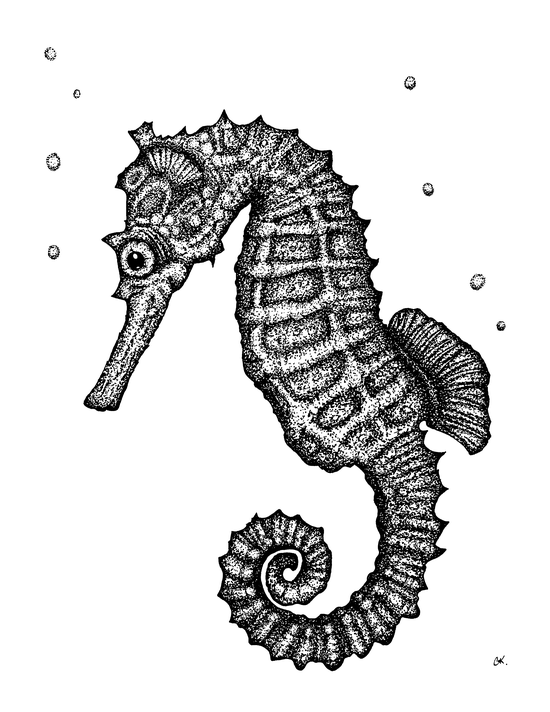
Ocean
I drew this as a birthday present for a marine scientist friend, Peter. Seahorses mate for life, romance is real in their world, and the male can have babies. Fascinating.
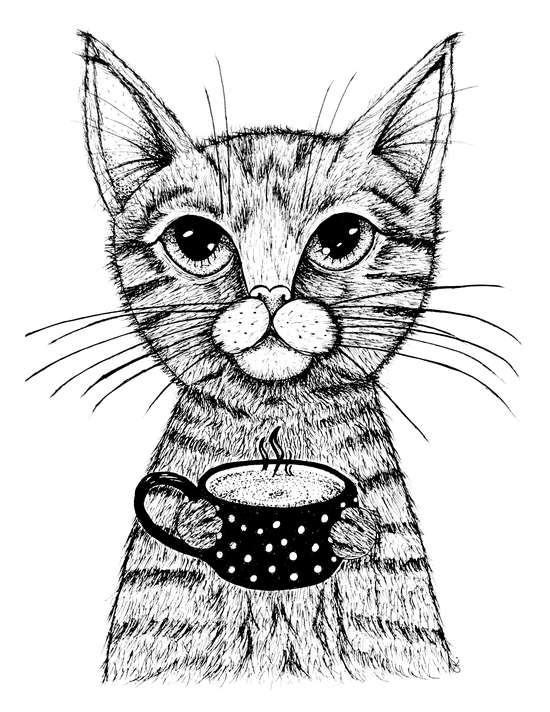
One of us
How did we evolve to make another species to make the center of our lives?
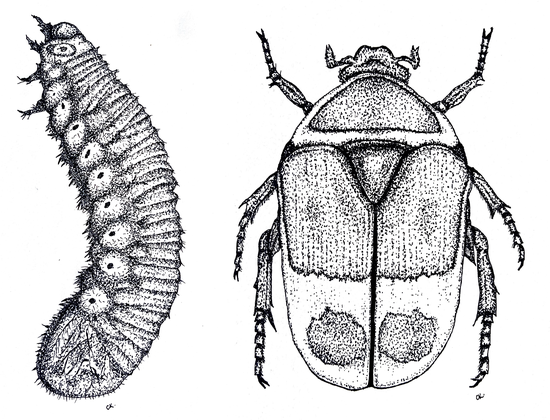
Pachnoda marginata
Illustration of Pachnoda marginata larvae and adult for a friend’s thesis project. Adults have a nice yellow-brown color.
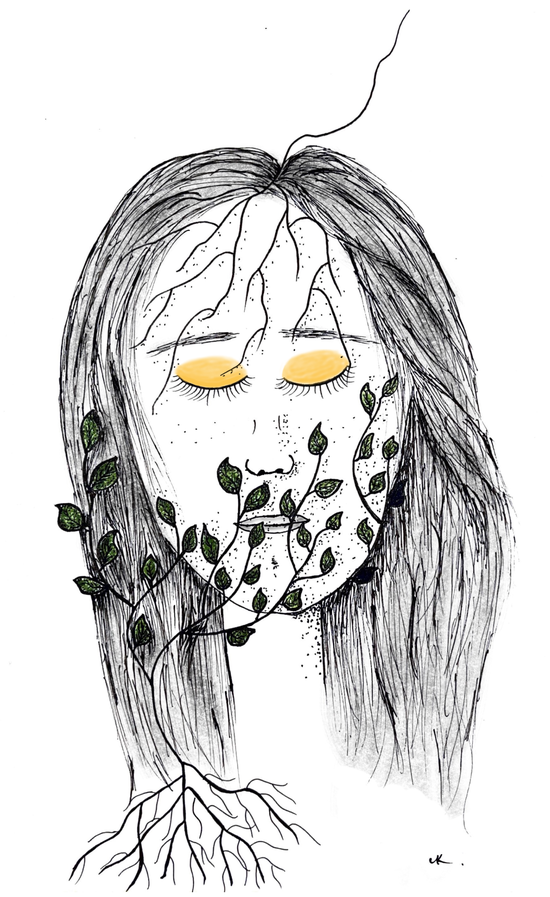
People and Planet
Sometimes, realizing our connection to the planet takes only seconds if we dare to stop and think about it.
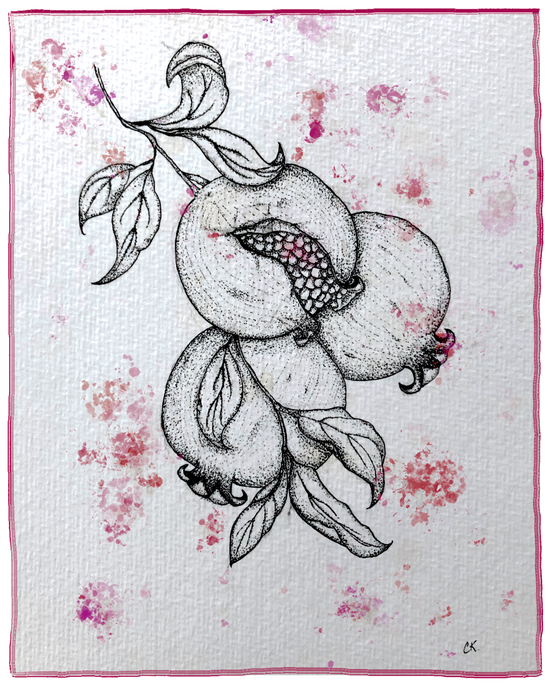
Pomegranate
Pomegranate was known as the “fruit of the dead” arose from the blood of Adonis in Greek mythology.
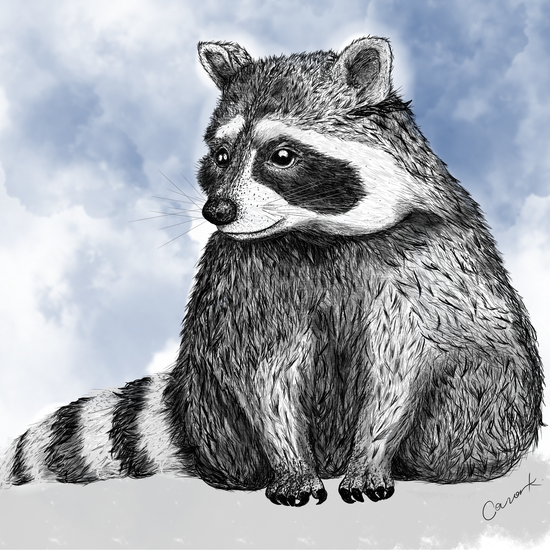
Raccoon
This is a fun example of how some species can figure out how to navigate human-made obstacles in urban areas.
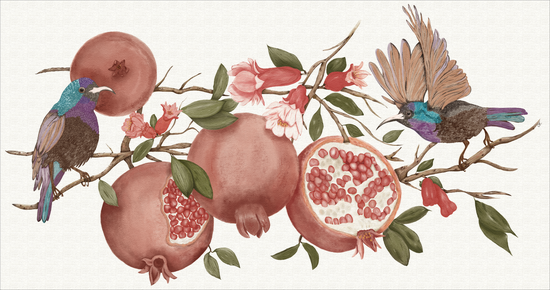
Seeds
Book cover for a friend. “Mangiò i semi e scartò la buccia”"
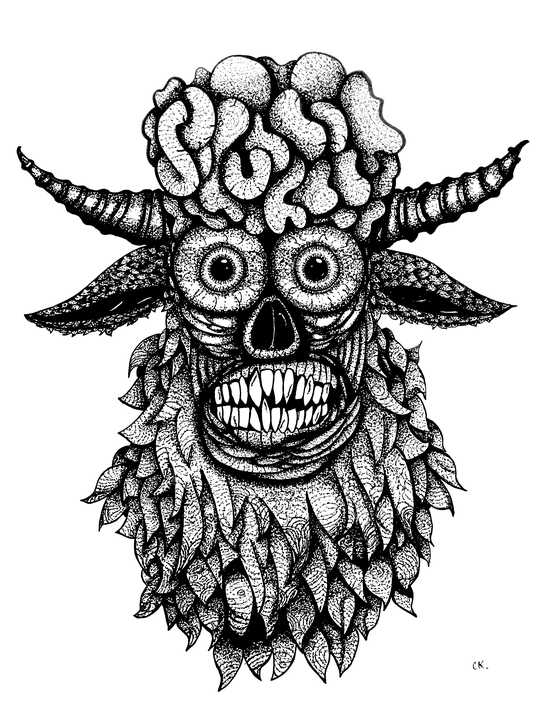
Self
My surname means black ram. This was one of the moments when I was worried and anxious and wanted to reflect on myself.
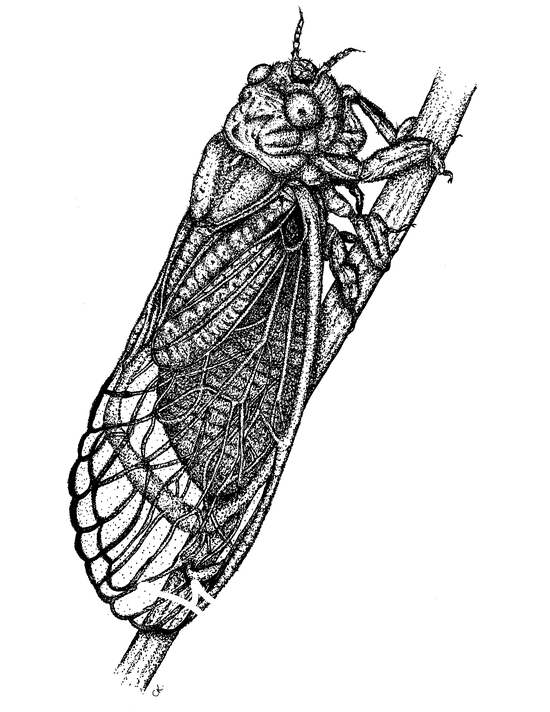
Seventeen
One month after I started my postdoc in Lennon Lab, 17-year-old cicadas (Brood X) emerged. It was the most fascinating natural event I’ve seen. They were loud and everywhere, and I remember that once I biked 10 of them on me.
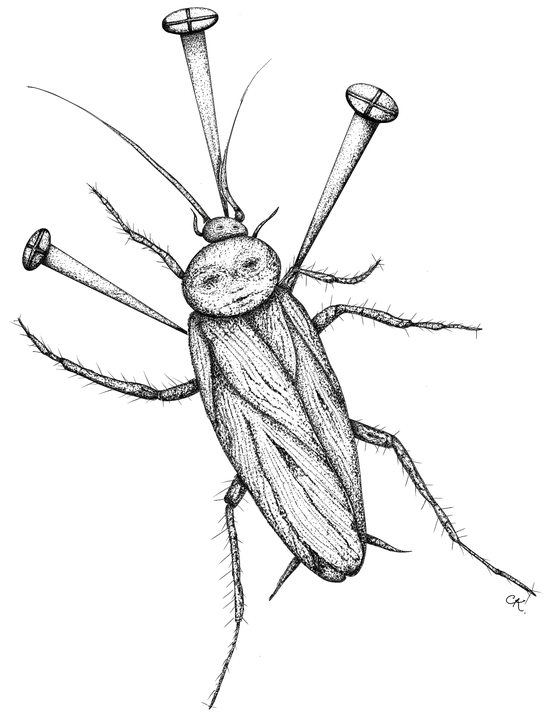
Stability
For the systems bouncing back after disturbances.
Contact
- Atlanta, GA
- ckarakoc.bsky.social
- belovedblackram